


Peru Protects Surf Spots
Friday 20 December 2013 Peru has passed a law that protects its surf spots and rural beaches from development. This visionary attitude from the government will reap massive dividends in the future, writes Spike, who bemoans a lack of similar foresight in South Africa.
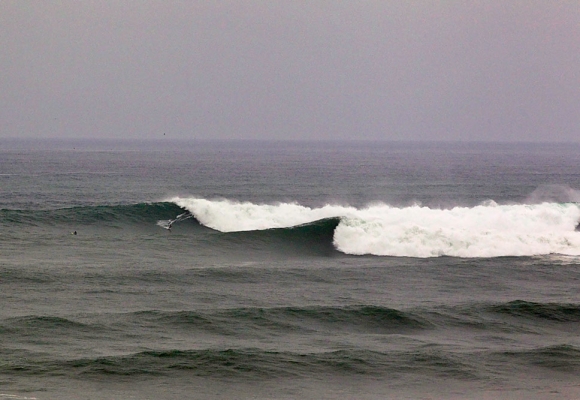
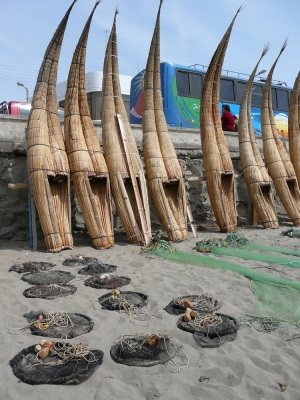
Peru just passed an amazing law, something that South`Africa should have done years ago.
According to the International Surfing Association, Peruvian President Ollanta Humala last week signed legislation for the Protection of Peru's coastline and its surf breaks. Law 2780 safeguards Peru's beaches from construction that may “affect the coast and its waves that are ideal for surfing”.
Can you imagine if we had done that years before the pristine shifting dunes of Cape St Francis were choked by invasive aliens planted there so developers could run rampant over some of the most pristine real estate in our beautiful country?
Imagine the point at Supertubes with a wide strip of indigenous vegetation set back from the beach to allow the dunes and vegetation, including those iconic aloes, to exist in their natural state? Instead, we built on top of dunes all over the country.
The view became high-value currency to enrich land owners and developers, but at what cost? It cannot be calculated.
Imagine if there were no houses within 100 metres or more of the beach all along our coast, from west to east. We already have seen how storm surges, floods and huge winter storms (and these are only going to get worse as global warming turns up the heat) can wreak havoc on over-zealous development too close to the shore.
Remember the huge storm of September 2001 that saw carnage along the Atlantic seaboard? A giant swell, spring high tide and storm surge devastated man-made structures all around Cape Town. In October, a report released by the City of Cape Town found that in 25 years or less, Cape Town could lose 25 square kilometres of coast from rising sea-levels and storms surges.
The risk assessment, by Coastal Coordinator Darryl Colenbrander, states that 14 locations around the Cape Peninsula are extremely vulnerable and under threat, some of which are already seeing the effects after recent severe storms. Approximately R5 billion worth of infrastructure exists in these areas. Drastic measures are required, the report says.
Remember the mass destruction in KwaZulu-Natal in March 2007? A giant storm formed almost on top of them. It created 50 foot swell and a two metre storm surge. Add to that a big spring high tide. Carnage.
If urban planners had more foresight, South Africa would be a totally different place along the coast. Urban environments in cities like Durban, East London, Port Elizabeth, Plettenberg Bay and Cape Town would have an incredible natural park right there.
South American countries, including Peru, Chile, Ecuador, Argentina, Nicaragua and Costa Rica, have embraced surfing by opening their doors to a range of international surfing events.
The inaugural longboarding championships - our Simone Robb won the women’s world title - took place in Huanchaco, Peru. The bodyboard champs took place in Margarita Island, Venezuala. The SUP titles took place near Lima, Peru. The surfing games, won by South Africa, took place in Santa Catalina, Panama. The masters champs were held in Ecuador.
And next year looks no different, with the bulk of world events in Latin American lands.
They understand what surfing brings to their countries. Preventing development along pristine coast is investing in the future in profound and perhaps, as yet, unidentified ways. Only time will tell how visionary such a law may become.
"If we are leaders in surfing at the regional and international levels, why not keep supporting this sport that adds value to our country. It's worth worrying about sport," said President Humala. The President also added that sport plays a key role in the development of the youth, and a way to promote good values away from drugs and gangs.
"Protecting the integrity of coastal wave producing areas is not something just to benefit surfers," remarked ISA President Fernando Aguerre. "By protecting the integrity of their surf breaks, the Peruvian Government has taken the side of preserving the surf areas, and as a consequence, also the culture and viability of those unique wave riding communities."
Imagine. Sigh.